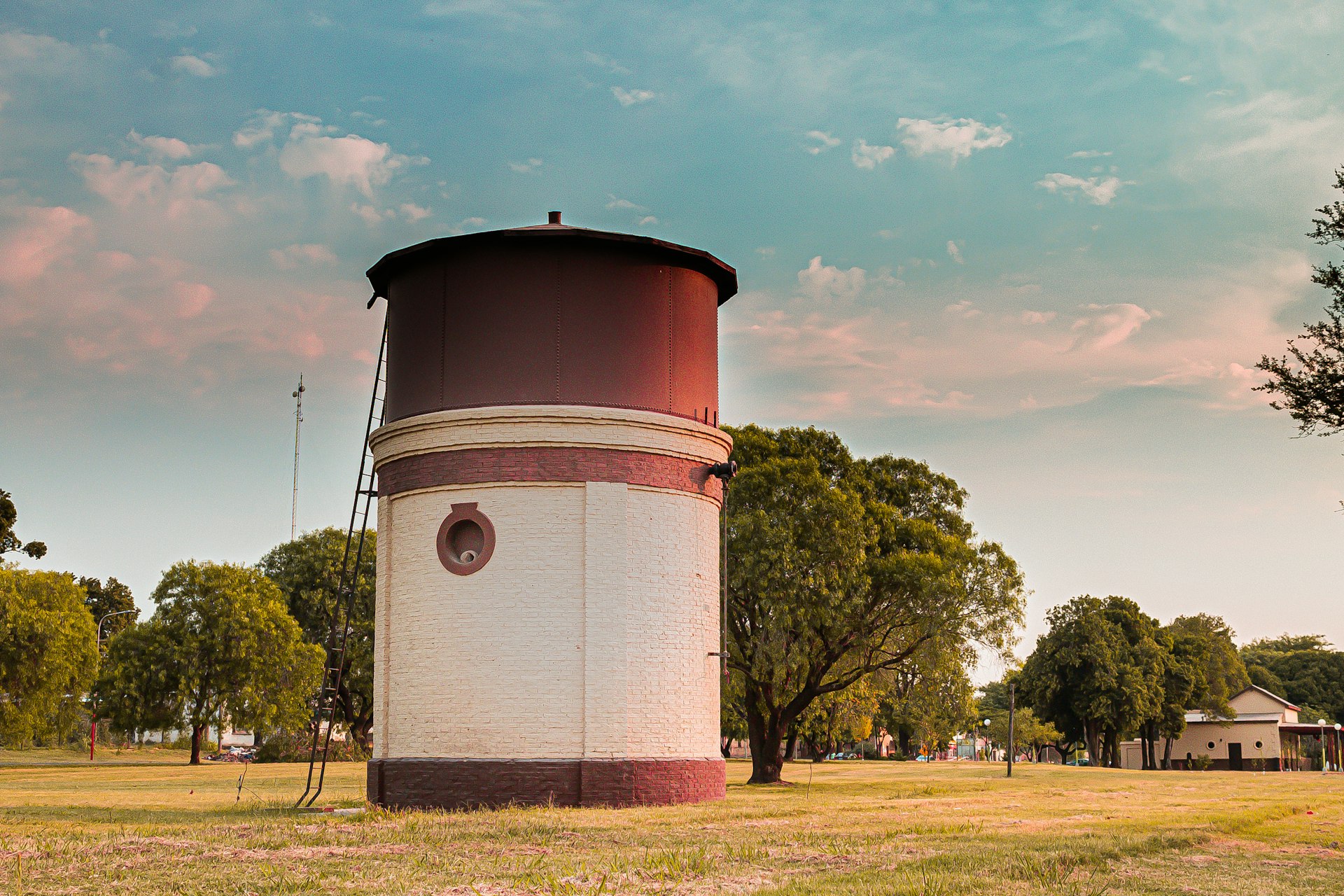
Above-ground water tank and underground water tank
Both above-ground and underground water tanks play a crucial role in storing water for use in households, industries, and agriculture. The two types differ in terms of design, installation, and usage.
ถังน้ำบนดิน
General characteristics
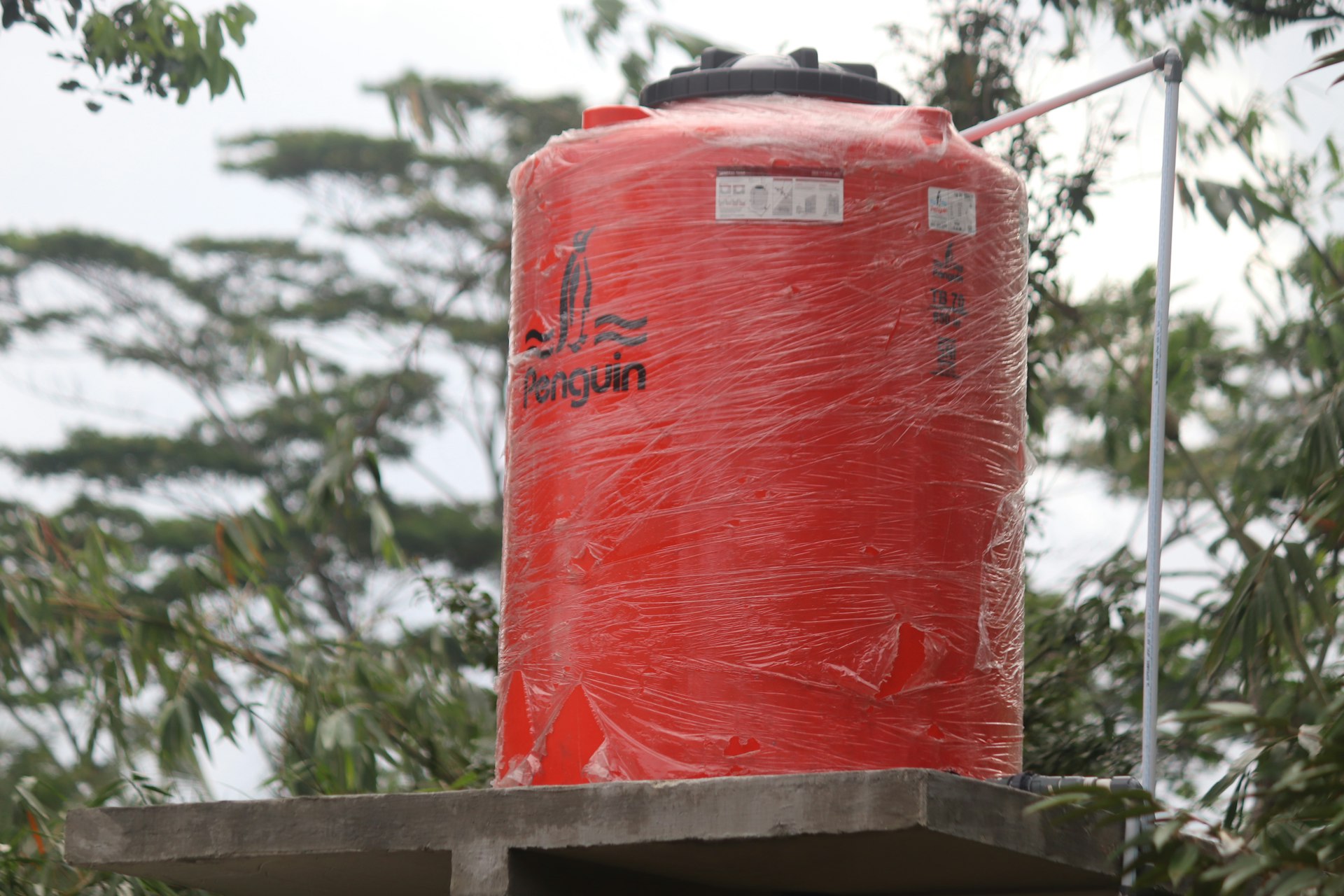
Installed on the ground or elevated structures
Made from a variety of materials such as plastic (PE), fiberglass, stainless steel, or concrete
Easy to install and move
ข้อดี
Easy and quick to install
Easy to inspect, repair, or clean
Installation cost is lower than that of an underground water tank
At risk of damage from sunlight, heat, or environmental conditions
It may not look beautiful if there is no covering.
Requires a lot of space for installation
ถังน้ำใต้ดิน
General characteristics
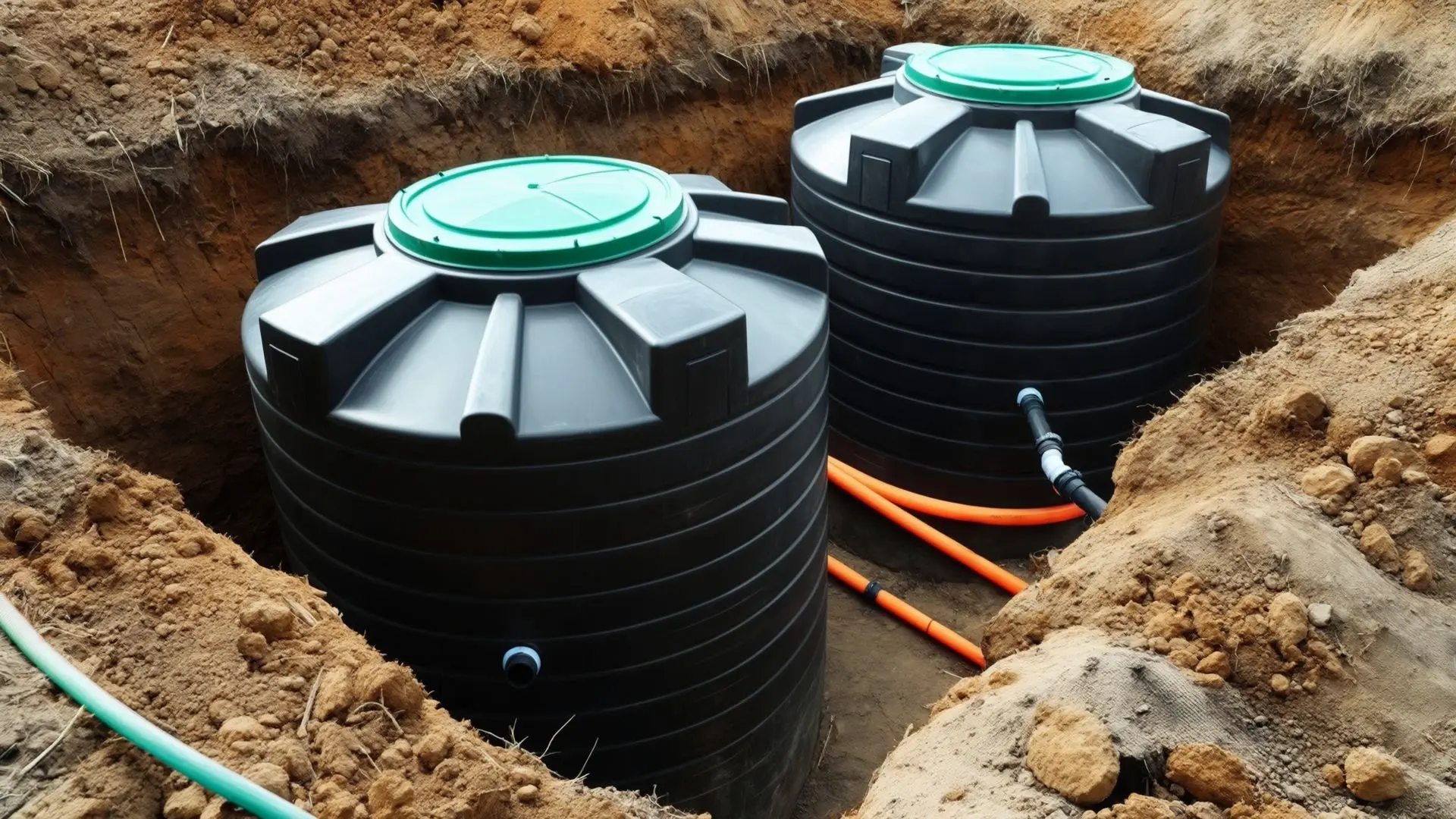
buried underground or under the building floor
Often made from reinforced concrete, fiberglass, or corrosion-resistant materials
Used for large water storage or in areas with space constraints for ground installation
ข้อดี
Space-saving on the ground, suitable for limited areas
Protect against sunlight, heat, and temperature changes
Reduce the risk of contamination from external environmental sources
Disadvantages
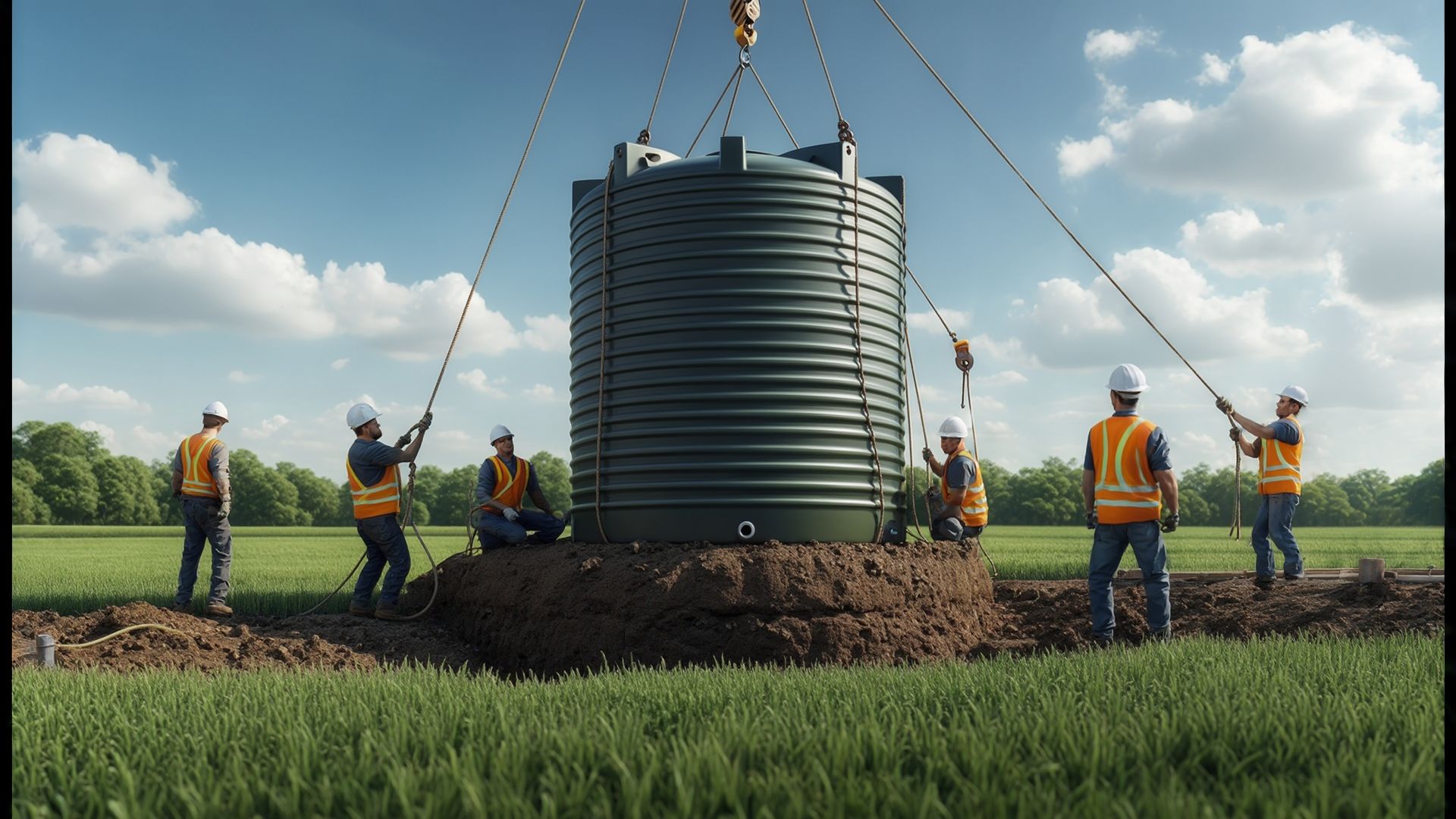
Installation is more difficult; it requires labor and drilling equipment.
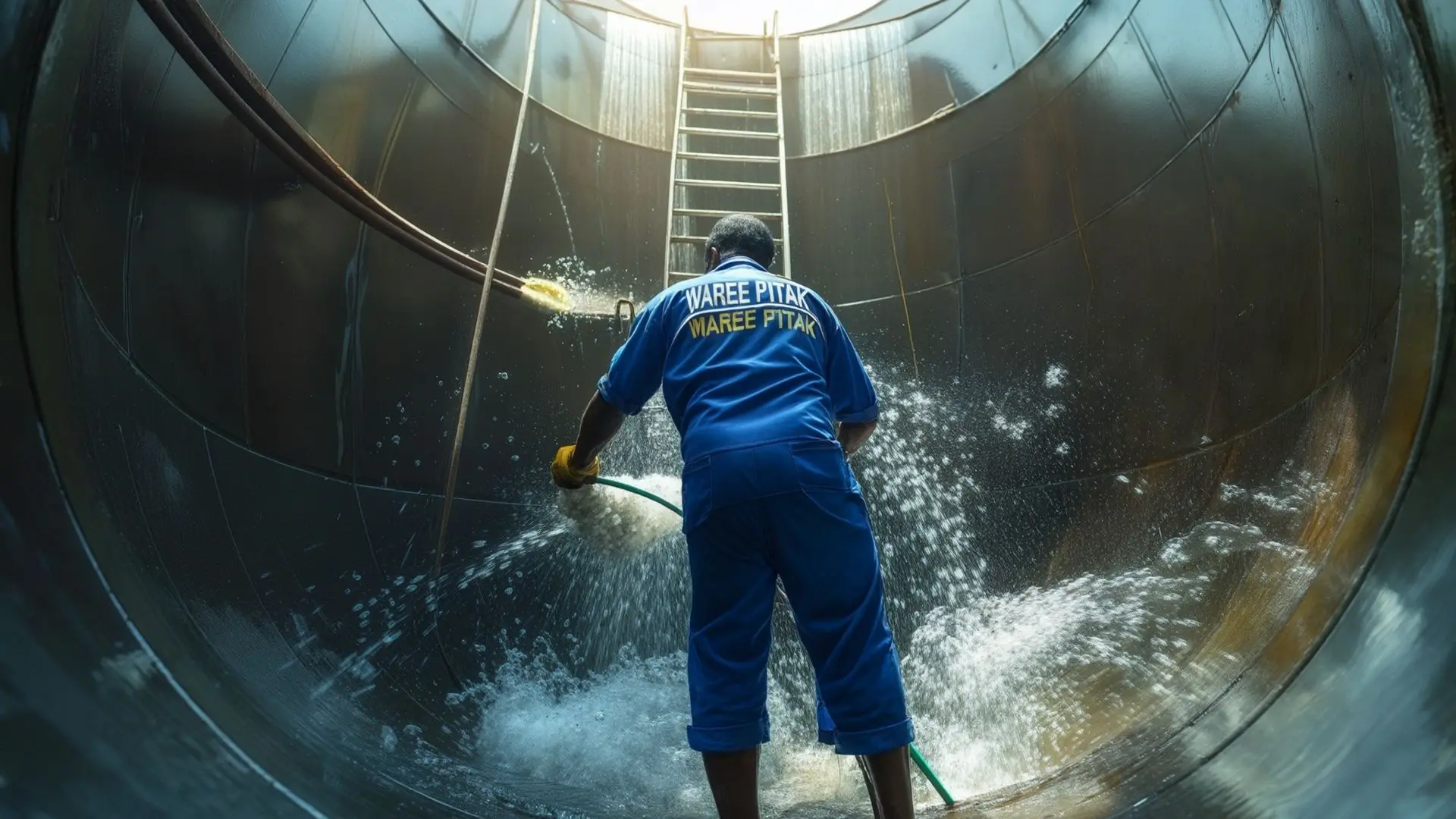
Repairing and cleaning is difficult
The installation cost is higher than that of an above-ground water tank.
Selection of Use
Above-ground water tanks are suitable for use in general households, farms, or areas that require convenience in maintenance.
Underground water tanks are suitable for buildings that need to save space or require large amounts of water storage, such as commercial buildings, factories, or large residential projects.